Tell us what's missing, and we'll build it.
You know the line your shoppers keep asking for. We'll test demand for it in your market before you list it, and we'll work with you on the launch.
We bring the shoppers, not just the stock.

We find the buyer, then we build the brand.
International Consumer Goods Venture Studio
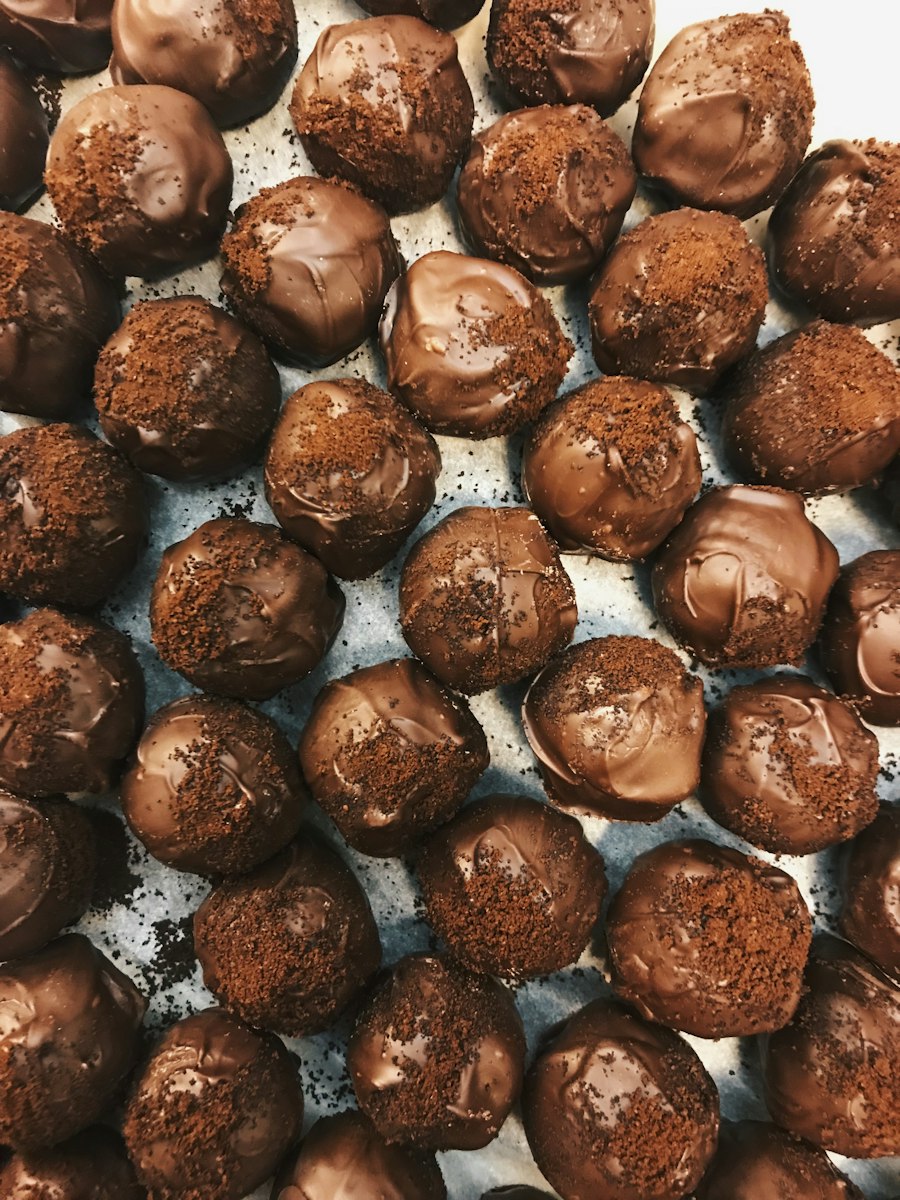
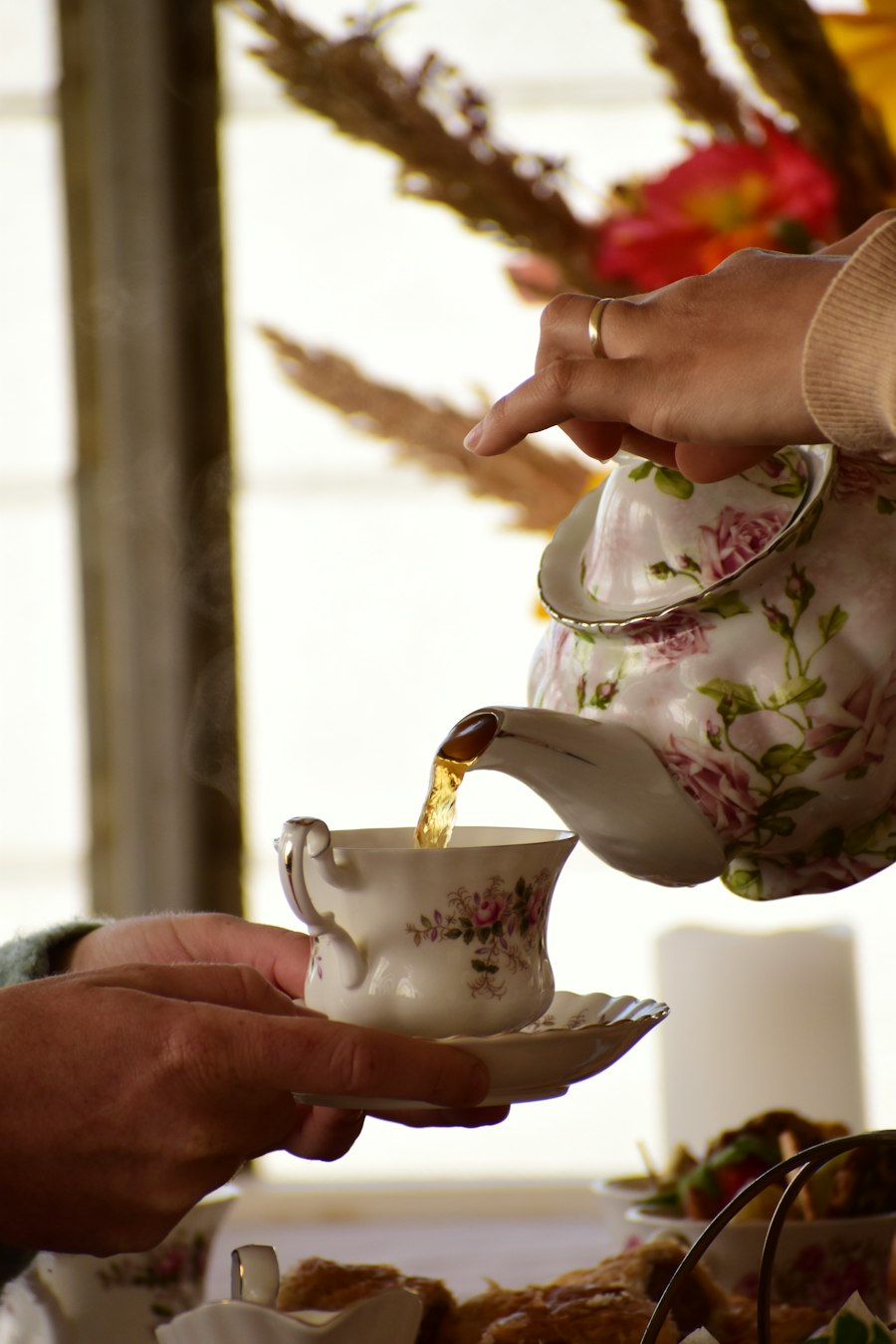
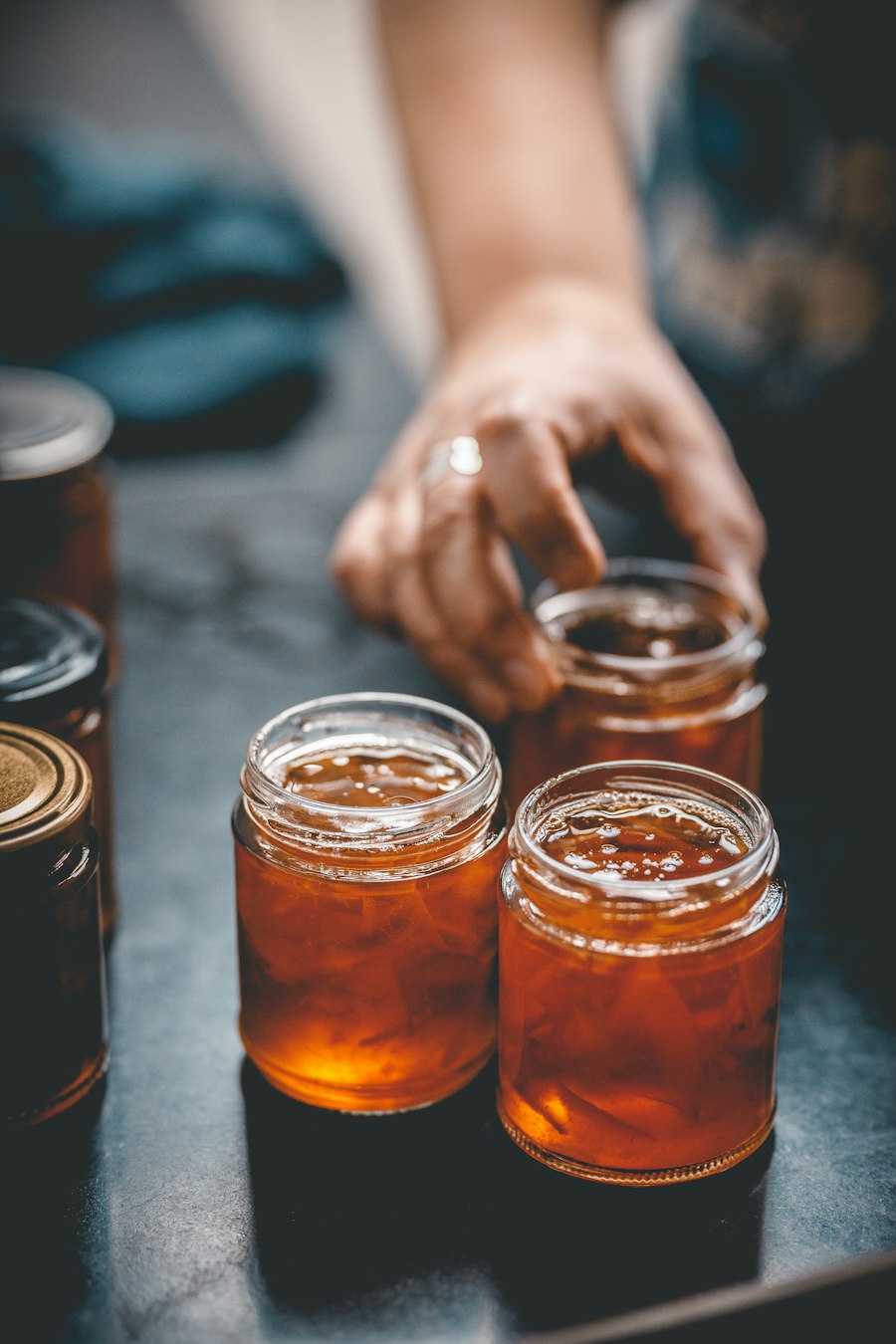
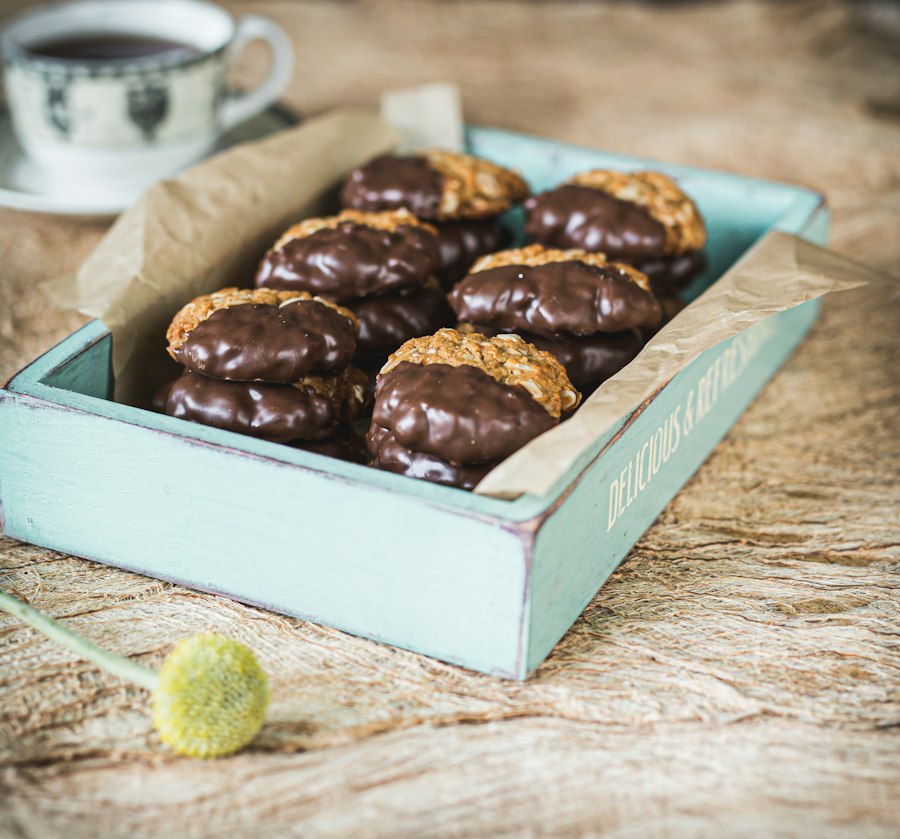
In Dubai, a Fortnum and Mason gift hamper is listed at AED 520 by BloomingBox.
In Britain, the people who make that kind of thing are going under. By our count, nearly four hundred food and drink makers went insolvent between January 2025 and August 2026. Close to one every working day.
Same country. Same craft. The only thing that changed was the shelf. So we start with the shelf.
A brand guesses what will sell, and fills a warehouse to find out. A buyer guesses which new line won't embarrass them. Most of the time, they guess wrong. Nielsen found that three in four new consumer goods launches in Europe failed in their first year.
Nobody sets out to make something nobody ordered. It just keeps happening.
We work backwards. We ask the retailer what's missing. We check it's true. We find out whether shoppers want it before a single thing is made. Then we take the brand, the story and the price to the buyer, and only when the deal is signed do we press go.
Long-life, giftable and properly British: the things shoppers abroad
pay premium prices for.
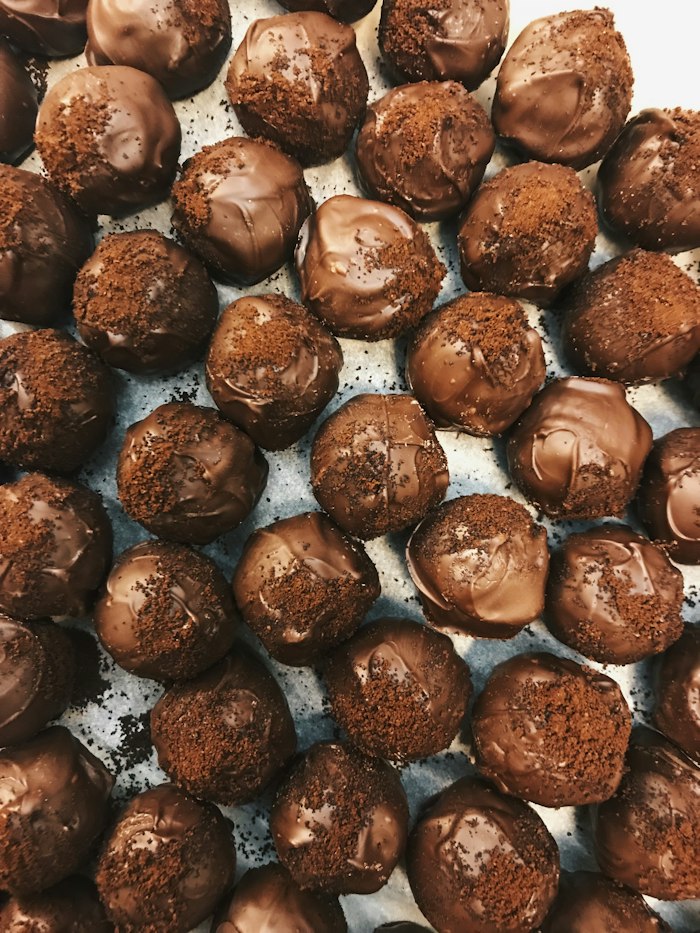
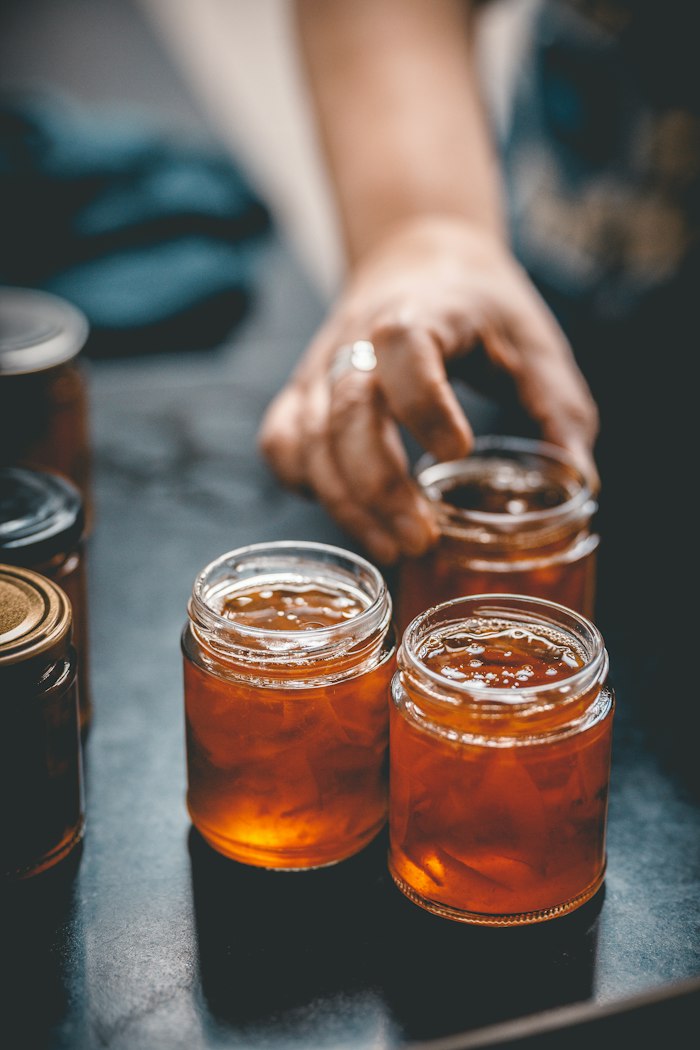
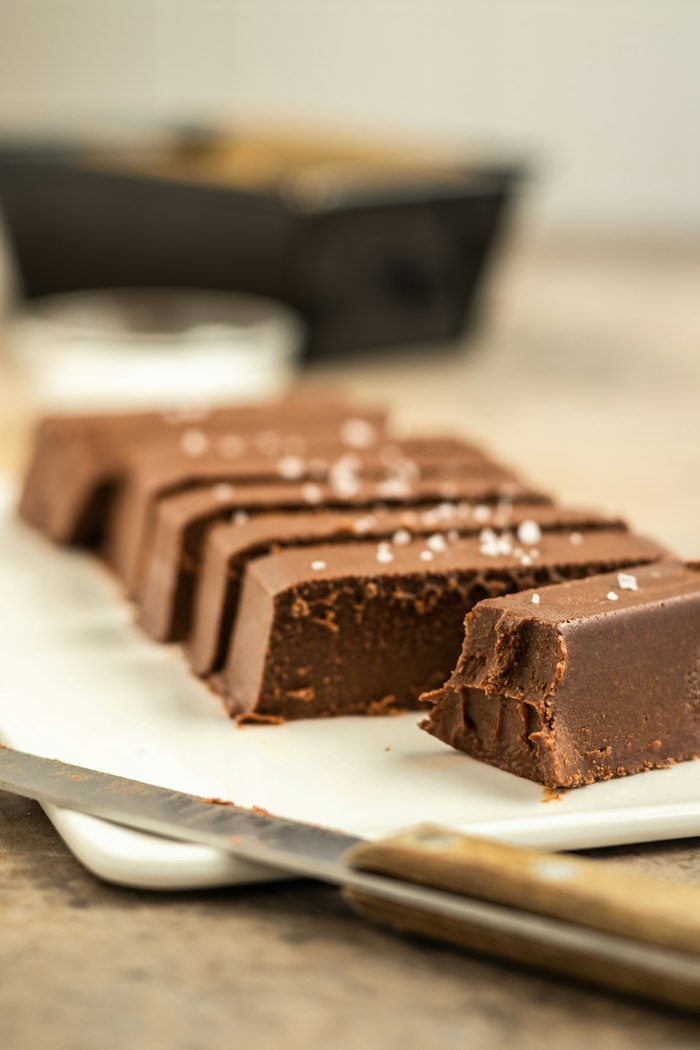
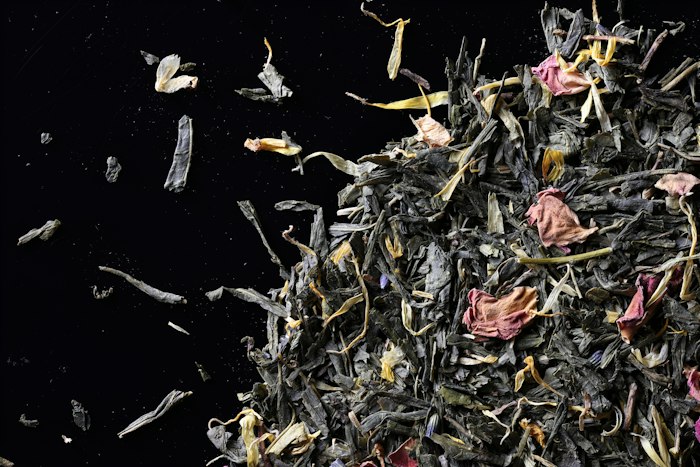
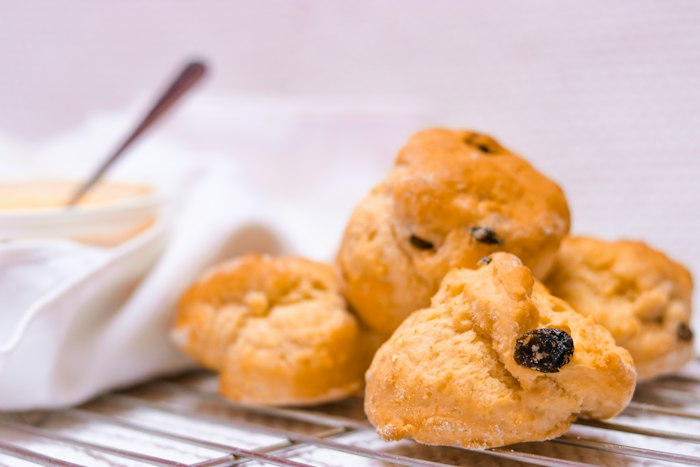

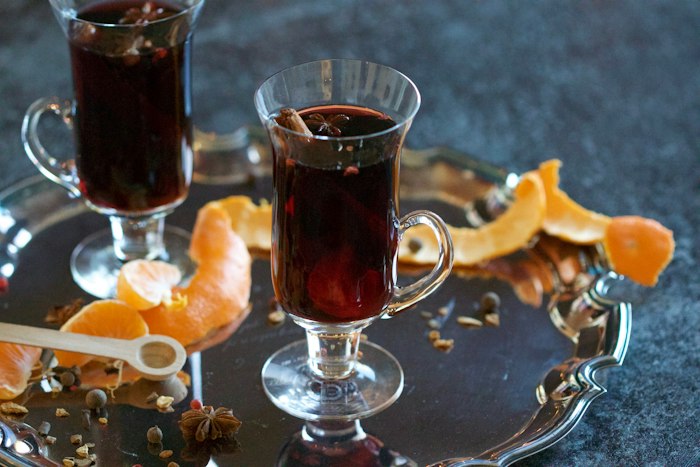
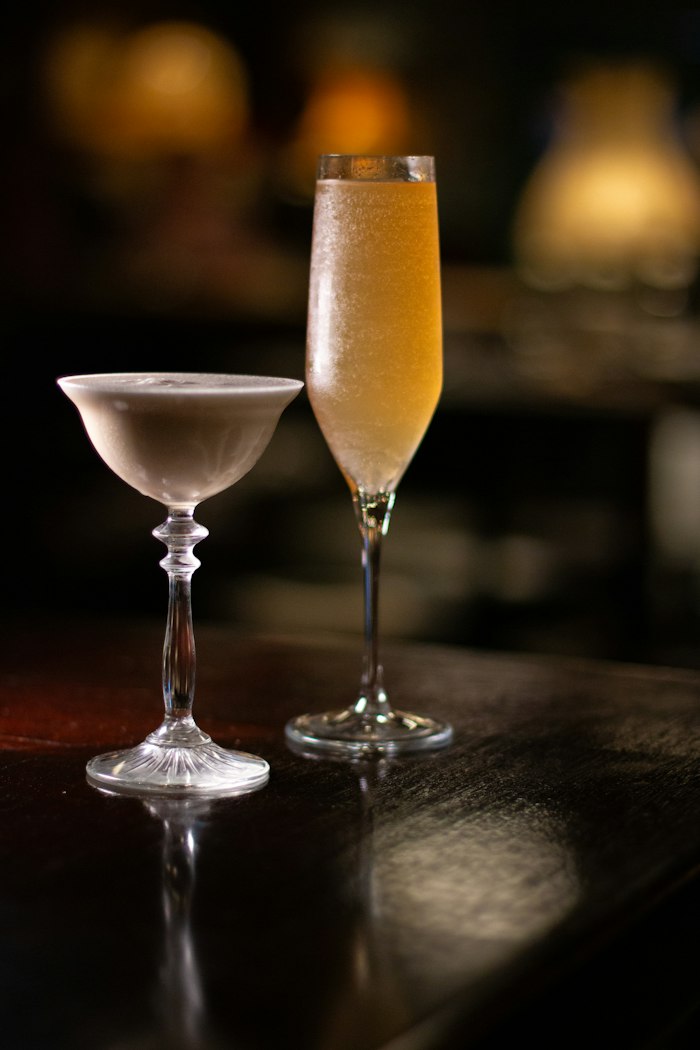
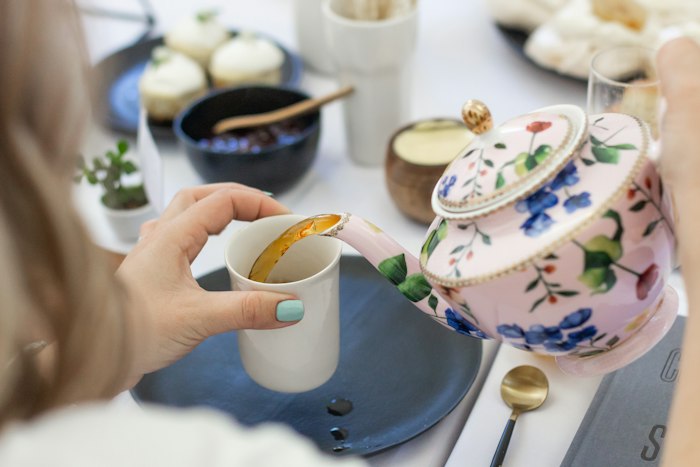
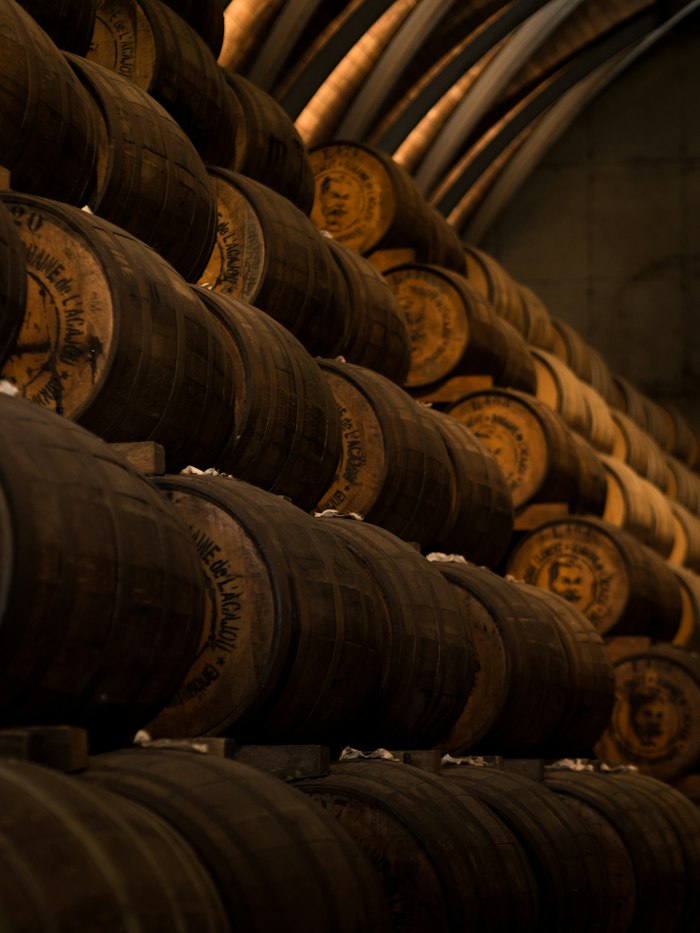
No stock sitting in a warehouse. No guessing.
Every buyer has one: the thing their shoppers ask for and the shelf doesn't have. We ask. Then we check, because we don't take anyone's word for it. If it's real, we build a British brand to fill it, or retrofit one that already exists.
Before a tin is pressed or a label printed, real shoppers in that market tell us whether they want it. The pass mark is set before we start, so nobody gets to fall in love with a loser. If it fails, it stops there. It runs on a validation method seven years in the making, used with more than 350 start-ups.
We take the proof to the buyer and shape the range with them. A British maker produces against the signed order. The first run is sold before it exists.
Getting listed is the easy half. We launch with the retailer and keep sending shoppers to the shelf until the line earns its repeat order. One market first. Then the next.
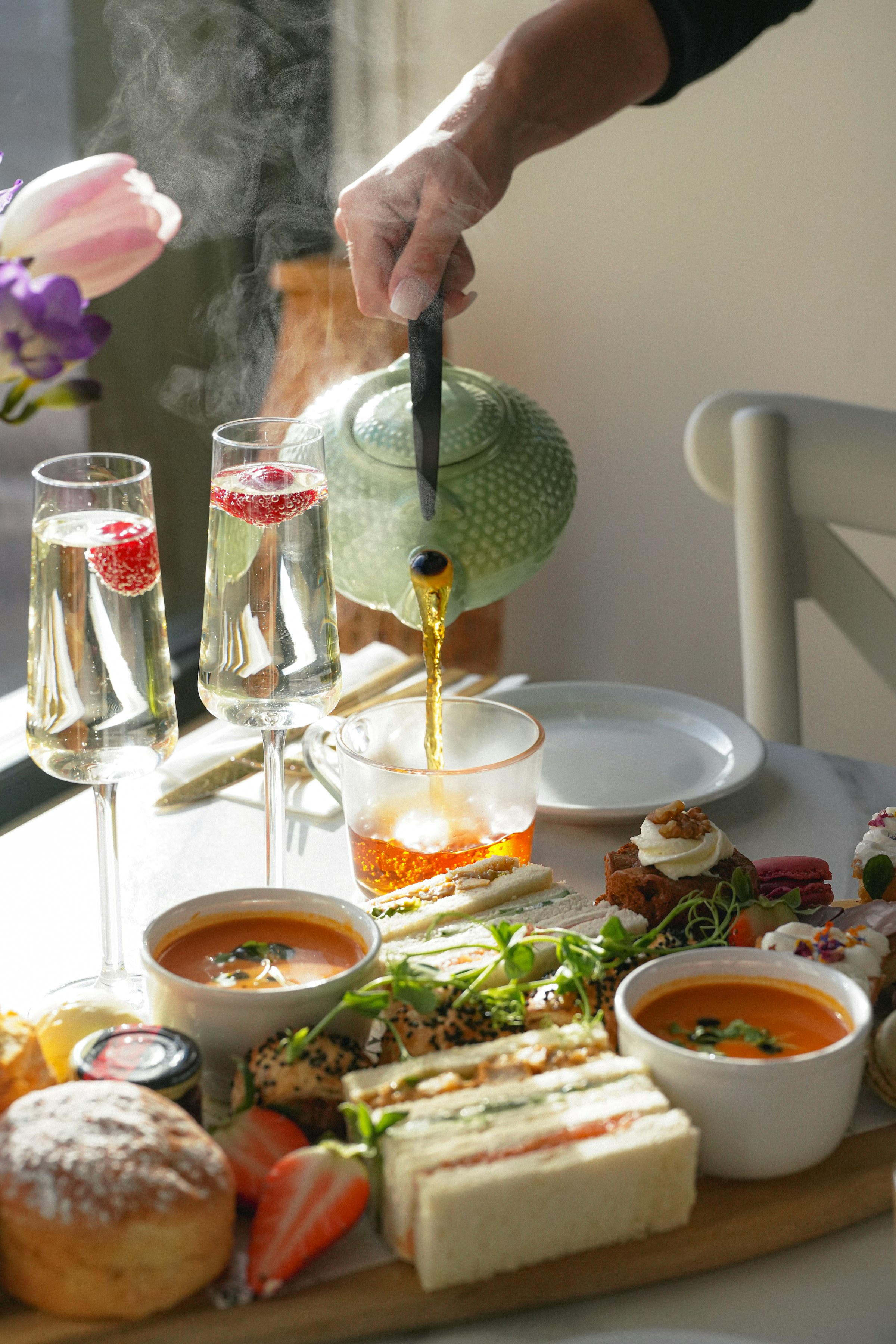
Sometimes it's our idea, more often it's the retailer's brief. Either way, the buyer exists before the brand does.
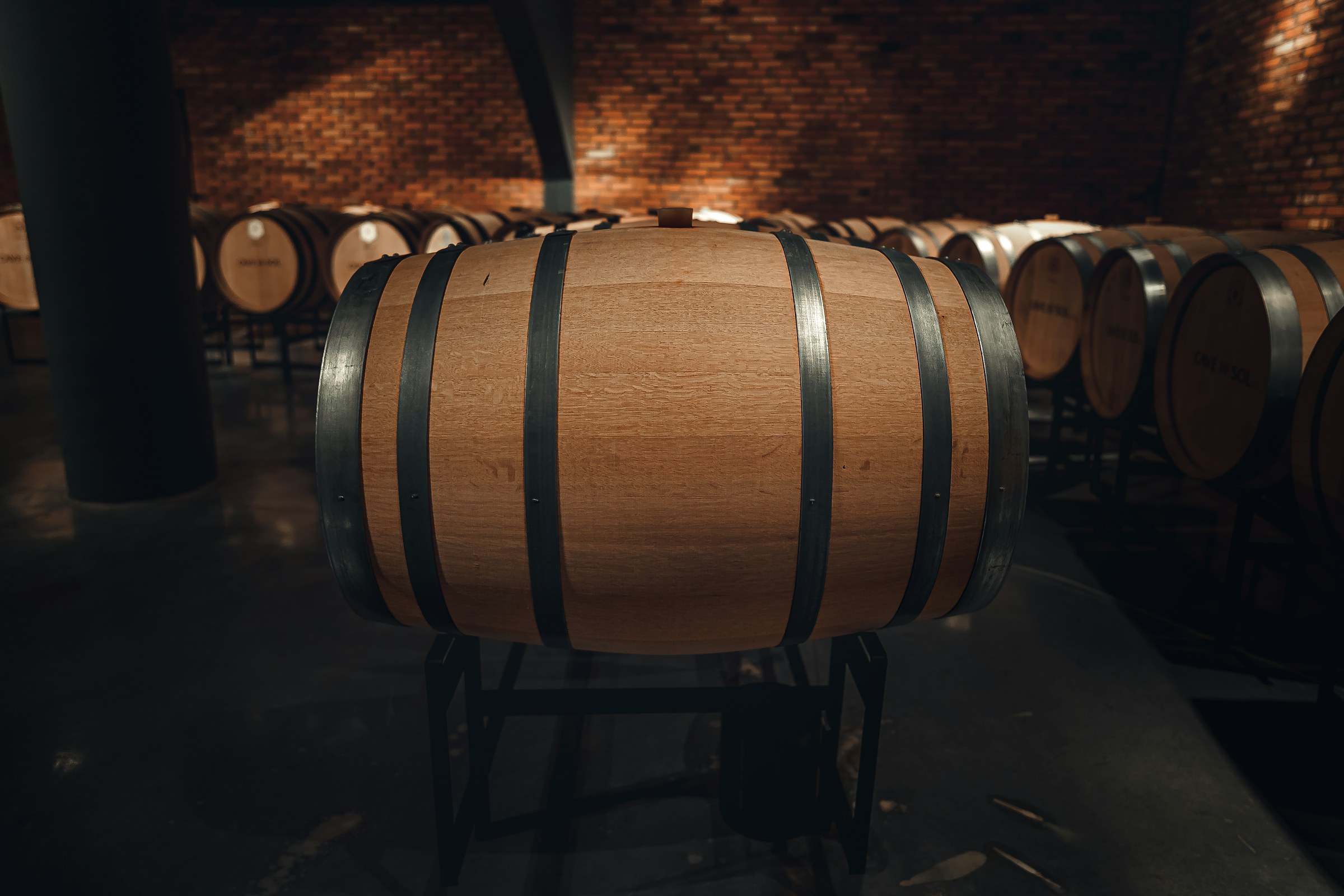
A British name that's gone quiet at home can still mean a great deal overseas. Keep it, share it or sell it, as agreed with the owner.
It's what a foundry does to a casting before it's allowed out of the door: the rough edges come off, and what's left is ready for the world.
We do the same to brands. When one is ready, it gets our mark.
We don't hand it out early. A brand is fettled when shoppers want it, a buyer has signed for it and a British maker is making it. Then it carries the mark, the year and its own number, on the pack and on the paperwork.
Nº 001 is still open.
You know the line your shoppers keep asking for. We'll test demand for it in your market before you list it, and we'll work with you on the launch.
We bring the shoppers, not just the stock.
A British name that's gone quiet at home can still mean a great deal overseas. Vimto is the precedent: a Manchester cordial that a Gulf licensee turned into the region's Ramadan drink.
Keep it, share it or sell it, as we agree together. And it starts with one shelf in one market, so you see the numbers before you commit to anything.
UK food and drink exports in 2025, a record. Food and Drink Federation, Trade Snapshot 2025.
The industry's own ambition for 2035, set by the Food and Drink Federation. Britain has done too little of building brands for those shelves on purpose. That's the job.
A validation method seven years in the making, used with more than 350 start-ups.
Units we make before a buyer signs.